
The Cots And Cot Beds Mistake That Every Beginner Makes
An In-Depth Guide to Cots and Cot Beds: Choosing the Right Sleep Solution for Your BabyWhen it comes to preparing for a new arrival, one of the most recommended cribs essential decisions parents face is picking the right sleeping plan for their kid. Cots and cot beds are amongst the most popular alternatives for babies and toddlers. In this thorough article, we will explore the differences in between cots and cot beds, their features, security factors to consider, and tips for choosing the very best one for your kid.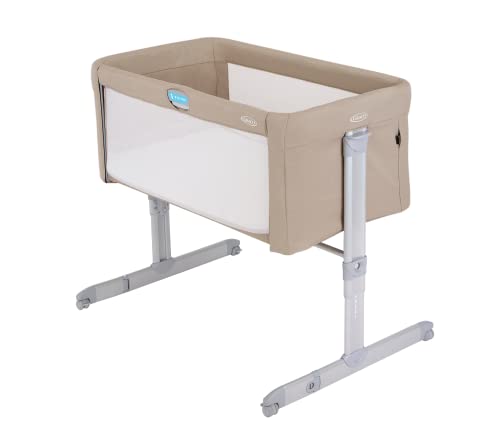 Comprehending Cots and Cot BedsTo begin, it’s important to clarify the differences in between cots and cot beds. At a glimpse, both alternatives serve the exact same basic function: offering a safe sleeping area for babies. Nevertheless, their features, size, and durability differ considerably.CotsA cot is a small bed designed for babies and young kids, generally accommodating ages from birth to around 3 years old. affordable cots are usually identified by:FeatureDescriptionSizeRequirement size of around 120 cm x 60 cm (47″ x 24″)Age RangeAppropriate for babies up to about 3 years oldSafety FeaturesTypically includes repaired sides and breathable productsMattress OptionsA lot of cots utilize specific-size bed mattress, normally offered individuallyMobilitySome cots are designed to be easily moved or transferredCot BedsCot beds, on the other hand, are a more significant financial investment designed to last longer as they grow along with your child. Secret attributes include:FeatureDescriptionSizeNormally larger, accommodating a mattress size of around 140 cm x 70 cm (55″ x 28″)Age RangeSuitable for babies and can be converted to a toddler bed, lasting as much as around 5-6 years of ageAdjustable Mattress HeightNormally includes multiple bed mattress heights, permitting for easy gain access to as your kid growsConversion CapabilityEasily transforms into a toddler bed with the removal of one sideResilienceDeveloped to last, often made from quality materialsThe Benefits of EachWhen selecting the best choice for your child, comprehending the benefits of each is essential. Benefits of Cots:
- Space-saving: Ideal for smaller sized nurseries or restricted home.
- Cost: Generally less costly than cot beds, making them a more economical alternative.
- Simplicity: Easier to establish with minimal assembly needed.
Benefits of Cot Beds:
- Longevity: Can be used for a more extended period as they typically convert into toddler beds.
- Adjustability: Features adjustable bed mattress heights for benefit as babies grow.
- Resilience: Higher-quality materials provide a more resilient option for active toddlers.
Security ConsiderationsWhen picking in between a cot and a cot bed, making sure safety needs to be the top priority. Here are some important security pointers for both alternatives:
- Regulations: Always make sure the cot or cot bed adhere to security standards in your country (like the BS EN 716 regulations in Europe).
- Slats: Ensure that the range in between slats is no more than 6 cm (2.4 inches) to avoid any opportunity of injury.
- Bed mattress: Opt for a firm, well-fitting bed mattress without gaps around the edges to prevent suffocation.
- Bed linen: Avoid utilizing soft bedding, pillows, or toys, in the cot or cot bed for safe sleep.
- Stable Structure: Make sure the cot or cot bed is stable and does not wobble.
The Best Cot and Cot Bed Features to ConsiderWhen looking for the ideal cot or cot bed, think about the following functions:FeatureImportanceNon-toxic productsMake sure all finishes and products used are complimentary from hazardous chemicals.Lockable wheelsFor portable options, locking wheels can make sure stability when needed.Detachable sidesFor cot beds, the ability to remove sides can be a game changer for self-dependent toddlers.Teething railsSafeguards the edges from wear and tear while offering convenience for teething babies.Integrated storageSome models feature storage options below, best cot beds – lynggaard-Keith-2.mdwrite.Net, helpful for storing bed linen and necessary items.How to Choose the Right Option
- Examine Space: Consider the size of your nursery or bed room. If space is limited, a cot might be a much better fit.
- Budget: Determine your budget. If you’re searching for something short-term, a cot may be sufficient.
- Durability Needs: If you wish to invest in something that will grow with your child, think about a cot for twins bed.
- Security Features: Make sure to prioritize models that offer safety functions.
- Performance: Consider whether you ‘d choose a repaired cot or a convertible cot bed that grows with your kid.
Frequently asked questions about Cots and Cot Beds1. What is the best cot newborn age to change from a cot to a cot bed?The very best age to change varies but typically occurs in between 2.5 to 3.5 years, depending on your child’s size and readiness.2. Are cot beds worth the investment?Yes, cot beds can be a long-lasting investment as they last approximately six years and frequently convert into beds, offering good value.3. What are the vital security features of cots and cot beds?Secret safety features consist of non-toxic products, proper slat range, steady structure, and a snug-fitting bed mattress.4. Can I use a regular bed mattress with a cot bed?No, cot beds require specific mattress sizes to make sure safety and correct fit.5. What should I prevent positioning in a cot or cot bed?Prevent soft bedding, pillows, toys, and anything that could present a suffocation threat.Picking the ideal cot or cot bed for your baby involves understanding your household’s requirements, your budget, and safety functions. While both choices offer a safe sleeping environment, they differ substantially in factors such as longevity and performance. By thinking about the functions talked about and addressing common queries, parents can make informed decisions that best crib newborn fit their growing child. Guaranteeing a peaceful and safe sleep environment will lead the way for happy and healthy advancement throughout those early years.
 Kristian Metz asked 3 days ago