
Let's Get It Out Of The Way! 15 Things About Excerise Bike We're Fed Up Of Hearing
The Comprehensive Guide to Exercise Bikes: A Pathway to FitnessIn the last few years, exercise bikes have surged in popularity amongst fitness enthusiasts and casual users alike, transforming homes into individual gyms. These flexible machines provide a reliable cardiovascular exercise while appropriating for users of all fitness levels. This short article undertakings to analyze the myriad benefits of exercise bikes, the various types readily available, functions to consider when purchasing one, and some regularly asked concerns regarding their usage.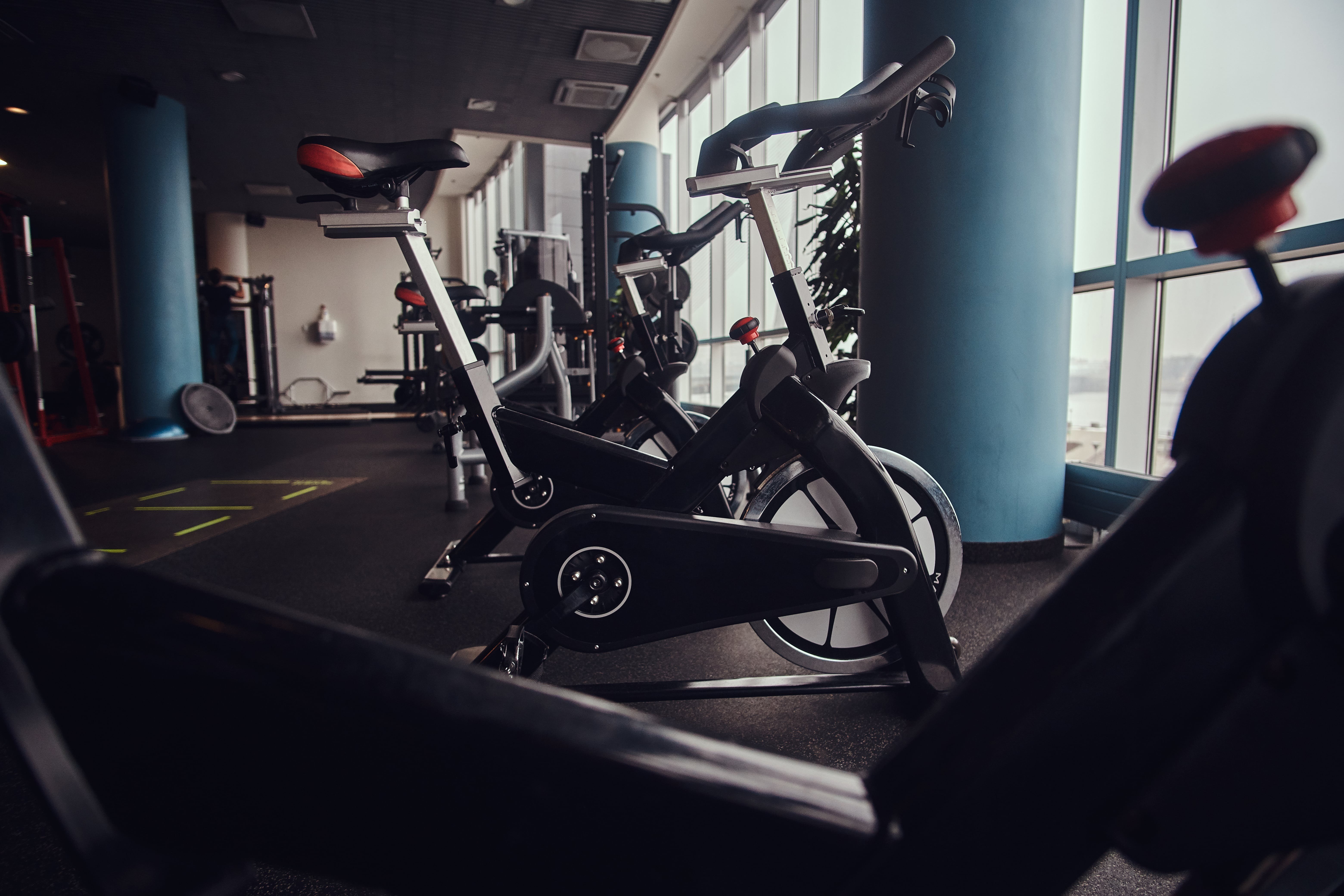 The Benefits of Exercise BikesStationary bicycle provide numerous benefits that contribute to total health and physical wellness. Here are some of the crucial advantages:
- Cardiovascular Health: Cycling increases heart rate and enhances flow, promoting cardiovascular health.
- Low Impact: Exercise bikes provide a low-impact exercise, decreasing stress on joints compared to running or high-impact activities.
- Caloric Burn: A devoted cycling session can burn considerable calories, aiding in weight loss and management.
- Convenient: With the alternative to utilize an exercise bike inside, people can maintain their fitness routine despite climate condition.
- Varied Workouts: Most stationary bicycle come equipped with adjustable settings, permitting users to customize resistance levels and workout strength.
Table 1: Benefits of Exercise BikesAdvantageDescriptionCardiovascular HealthImproves heart and lung health through sustained aerobic activity.Low ImpactGentle on joints, making it ideal for all ages and fitness levels.Calorie BurnAssists in substantial calorie expenditure, helping in weight management.PracticalIndoor use provides year-round availability to Exercise Bike prices.Varied WorkoutsAdjustable resistance and programs for targeted fitness objectives.Kinds Of Exercise BikesUnderstanding the different types of exercise bikes offered can help prospective purchasers pick the ideal one for their needs. Here are the most common types:
- Upright Bikes: These bikes look like traditional bicycles, with pedals positioned beneath the rider. They engage the core and upper body for an extensive workout.
- Recumbent Bikes: Featuring a reclined seat position, recumbent bikes supply support to the back. They are perfect for those with restricted mobility or back concerns.
- Spin Bikes: Designed for high-intensity training, spin bikes imitate outdoor cycling. They typically have a heavier flywheel for a smoother ride and offer enhanced toughness for extreme workouts.
- Indoor Cycles: Similar to spin bikes however with more easy to use features, indoor cycles are popular for home fitness enthusiasts who enjoy structured workouts or spin classes.
Table 2: Types of Exercise BikesKind of BikeSecret FeaturesBest ForUpright BikeStandard cycling positionGeneral fitness enthusiastsRecumbent BikeReclined seatingUsers with back or mobility problemsSpin BikeHigh-intensity, much heavier flywheelHIIT and spinning classesIndoor CycleUser-friendly, versatileHome users looking for structured exercisesFunctions to Consider When Purchasing an Exercise BikeInvesting in an exercise bike needs a careful evaluation of different features. Here are key elements to consider:
- Adjustability: Look for adjustable seat heights and handlebars to make sure comfort throughout workouts.
- Resistance Levels: Multiple resistance settings permit users to customize exercises based upon fitness levels and goals.
- Built-in Programs: Some bikes come with pre-set workout programs, using range and keeping users engaged.
- Display Console: A good display screen ought to show vital metrics like time, range, calories burned, and heart rate.
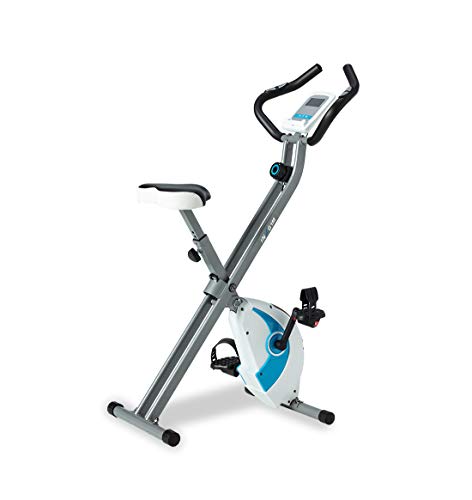
- Space and Portability: Consider your available space, particularly for bigger designs. Collapsible or compact bikes may be perfect for smaller areas.
- Budget: Exercise bikes can differ greatly in rate, so it’s necessary to discover one that lines up with your fitness goals and budget.
Table 3: Key Features to ConsiderFunctionImportanceAdjustabilityEnsures a comfy and effective exercise.Resistance LevelsSupplies workout scalability for all fitness levels.Built-in ProgramsDeals structured exercises to enhance engagement.Display ConsoleTracks progress and keeps motivation high.Area and PortabilityFits well in the designated exercise location.Budget planVital for identifying options within financial restrictions.Frequently Asked Questions about Exercise BikesHere are some frequently asked concerns relating to exercise bikes, along with their succinct answers:
- How frequently should I utilize a stationary bicycle?
- Aim for a minimum of 150 minutes of moderate-intensity cardio weekly, which can consist of 30 minutes on the bike most days of the week.
- Can exercise bikes help with weight reduction?
- Yes, when combined with a well balanced diet plan, utilizing an exercise bike regularly can help in weight loss by burning calories.
- Is a recumbent or upright bike much better for beginners?
- Recumbent bikes are often more comfy for newbies due to their lower impact and encouraging seating, making them a great beginning point.
- What should I use throughout a cycling workout?
- Use breathable, moisture-wicking clothing and supportive athletic shoes for comfort and efficiency.
- Can I utilize an exercise bike if I have joint issues?
- Yes, exercise bikes are low-impact, making them suitable for individuals with joint concerns, especially recumbent bikes.
Stationary bicycle offer a powerful tool for achieving fitness objectives, combining benefit, versatility, and a series of health advantages. Whether one choose an upright, recumbent, spin, or indoor bike, comprehending the readily available features and potential benefits will cause a more educated acquiring choice. With devotion and consistent use, exercise bikes can substantially improve cardiovascular health and add to a total healthier lifestyle. By thinking about the information outlined in this short article, potential users can find the best bike to fit their individual requirements.
 Mikki Stratton asked 3 hours ago